
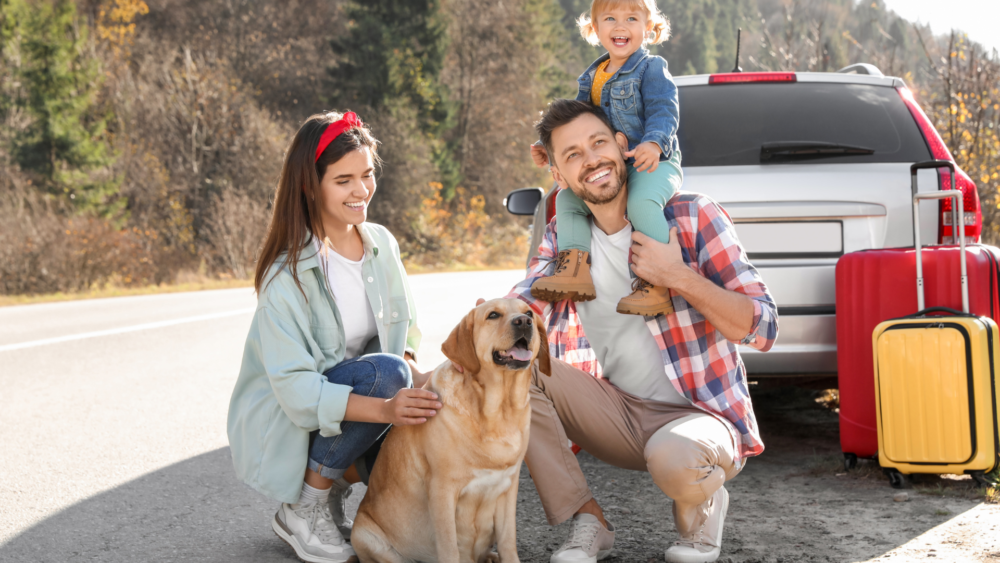
Traveling with pets can be a rewarding experience, but it requires careful planning and consideration. Bringing a pet along on a trip can enhance the journey by providing companionship and joy, but it also comes with responsibilities that must be addressed. Ensuring the comfort and safety of a pet while traveling involves a few key steps, such as choosing pet-friendly accommodations and understanding the specific needs of the animal.
Pet owners often face unique challenges when traveling, whether by car or airplane. Having a clear understanding of travel regulations, packing the right supplies, and keeping pets calm during the journey are essential topics that will be discussed. With proper preparation, traveling with a pet can transform a routine trip into a memorable adventure for both the owner and the animal.
There are numerous benefits to including pets in travel plans. Not only can it strengthen the bond between pets and their owners, but it also allows for shared experiences that create lasting memories. With this guide, pet owners will find practical tips and insights to ensure that their trips are enjoyable and stress-free for everyone involved.
Understanding Pet Travel Requirements
Traveling with pets requires attention to specific regulations and documentation. Assuring that all requirements are met can facilitate a smoother journey. It is essential to consider three main areas: required documentation, breed-specific regulations, and health requirements.
Pet Documentation and Identification
Every pet traveling requires proper documentation. Commonly needed papers include:
- Identification Tags: Pets should wear collars with ID tags that include the owner’s contact information.
- Microchip Information: A microchip can serve as a permanent form of identification, enhancing the chances of a lost pet being returned.
- Travel Permits: Air travel often necessitates a health certificate issued by a veterinarian, stating that the pet is fit for travel.
Pets should have these documents readily accessible. Airlines and travel companies often require that this information be submitted in advance. Incomplete documentation may lead to travel delays or rejections.
Breed-Specific Regulations
Certain breeds face restrictions due to safety and regulatory policies. Research should identify if a pet’s breed is considered aggressive or restricted in certain areas. Typical breed-specific regulations may involve:
- Restricted Breeds: Some airlines and destinations, including housing and resorts, may not permit certain breeds.
- Muzzle Requirements: Some jurisdictions may mandate that specific breeds wear muzzles or be kept on leashes.
Pet owners must verify these requirements before traveling to avoid complications. Non-compliance can result in denied boarding or fines.
Vaccinations and Health Certificates
Health requirements vary based on the pet’s destination. Key vaccinations often include:
- Rabies: Proof of rabies vaccination is commonly required for international travel.
- Canine Parvovirus: Certain locations may ask for evidence of vaccinations against this disease.
A health certificate is usually mandatory and should be issued within a specific timeframe before travel—often within 10 days. This certificate assures that the animal is healthy and free from contagious diseases. Always check both state and country requirements to ensure full compliance to avoid unexpected travel issues.
Pre-Travel Preparation
Preparing for travel with pets requires careful planning to ensure a smooth journey. Key aspects include selecting an appropriate carrier, training pets for travel, and packing essential items to keep them comfortable and safe.
Choosing the Right Carrier
Selecting the right carrier is crucial for a successful trip. It should be well-ventilated and spacious enough for the pet to stand, turn around, and lie down comfortably.
Consider these options:
- Soft-sided carriers: These are flexible and great for road trips or air travel, as they can fit under most seats.
- Hard-sided carriers: Ideal for larger pets or longer journeys, providing durability and stability.
Ensure it meets the travel company’s regulations, especially for air travel. For added comfort, introduce the carrier to the pet before the trip, allowing them to explore it.
For owners choosing a smaller companion, carrier fit and the dog’s natural temperament matter as much as measurements; breeds that are calm and social tend to adapt more readily to confined spaces. For example, Cavapoo puppies are often compact and people-oriented, which can make short practice trips and carrier acclimation simpler for both pet and owner.
Training for Travel
Training pets for travel is vital to minimize stress during the journey. Start with short car rides to help them acclimate. Gradually increase the duration to build their tolerance for longer trips.
Here are effective training techniques:
- Desensitization: Make the pet comfortable with the carrier by rewarding them for spending time inside it.
- Routine: Establish a travel routine that includes practice sessions and feeding schedules to create familiarity.
Keeping pets calm and creating positive associations with travel will help them adapt more easily when the time comes.
Packing Essentials
Packing essential items will enhance the travel experience for pets. Key items include:
- Food and Water: Bring enough pet food for the trip, along with a portable water bowl.
- Leash and Collar: A sturdy leash and identification tags are crucial for safety.
- Comfort Items: Include familiar toys or blankets to provide comfort in new environments.
Additional items to consider are pet medications, a first aid kit, and grooming supplies. Organizing these essentials in a dedicated travel bag will streamline the packing process.
Travel Options for Pets
Traveling with pets requires understanding the different transportation methods and their specific regulations. Each option presents unique considerations, ensuring pets are safe and comfortable throughout the journey.
Air Travel Policies
Airlines have strict policies regarding pet travel. Most require advance reservations for pets, often featuring specific carrier dimensions that meet safety standards.
Pets can generally travel in the cabin or cargo, depending on their size. For cabin travel, dogs and cats usually must weigh less than 15-20 pounds in their carriers. In cargo, pets are placed in a temperature-controlled environment, but this can be stressful for animals. For owners seeking a more comfortable and flexible option, private jet charters can minimize stress and allow pets to remain with their owners in the cabin; services like https://air1jets.com specialize in tailored, pet-friendly private flights with dedicated support and rapid turnaround.
It’s important to check individual airline policies. Fees for pet travel vary widely, typically ranging from $75 to $500. Documentation such as health certificates may also be needed.
Ground Transportation
Ground transportation options include personal vehicles, buses, and trains. Traveling by car can provide the greatest flexibility. It allows for frequent breaks and temperature control.
When using public transport, companies often have specific policies. For example, some buses may not allow pets, while others may permit small animals in carriers.
Train travel often accommodates pets, with various limits on size and number. Amtrak permits small pets, subject to fees and a maximum weight limit. Always check specific carrier policies to ensure compliance.
Cruises and Rail Travel
Cruise lines have varied policies for traveling with pets. Many do not allow pets onboard, except for service animals. A few lines offer pet-friendly accommodations, primarily on specific sailings.
Travelers should ensure their pets are up-to-date on vaccinations and have proper documentation. Researching pet-friendly accommodations at ports of call is essential.
Rail travel permits pets on certain lines, but restrictions apply. Amtrak allows small pets in carriers, while some regional trains may have different policies. Travelers must review conditions carefully before departure.
Safety and Comfort During the Journey
Traveling with pets requires careful planning to ensure their safety and comfort. Attention to anxiety management and proper temperature control can significantly enhance the experience for both pets and their owners.
Managing Anxiety and Stress
Pets may experience anxiety during travel due to noise, unfamiliar environments, or confinement. To help alleviate these feelings, owners can consider several strategies:
- Familiar Items: Bringing along a favorite blanket or toy can provide comfort and reassurance.
- Calm Environment: Using calming products like pheromone sprays or anxiety wraps may help pets feel more secure.
- Regular Breaks: For long journeys, scheduled stops are essential. This allows pets to stretch, relieve themselves, and explore their surroundings.
It is important for owners to stay calm themselves, as pets often pick up on their owner’s emotions. The goal is to create a soothing atmosphere throughout the journey.
Temperature Control and Ventilation
Maintaining appropriate temperature and ventilation is crucial for a pet’s well-being during travel. An enclosed vehicle can quickly become too hot or too cold. Here are key steps to consider:
- Climate Control: Use air conditioning or heating to maintain a comfortable temperature for pets.
- Ventilation: Ensure windows are slightly open or utilize vents for proper air circulation, avoiding direct drafts.
- Pet-Safe Settings: Never leave pets alone in a parked car, as temperatures can rise dangerously in minutes, jeopardizing their safety.
By taking these measures, pet owners can ensure a pleasant travel experience that prioritizes their pets’ health and comfort.
International Travel Considerations
Traveling internationally with pets requires careful navigation of various regulations and requirements. Awareness of these factors can make the journey smoother and ensure compliance with laws in foreign countries.
Country-Specific Regulations
Each country has unique pet travel regulations. These can include vaccination requirements, health certificates, and specific breeds that may be prohibited. Travelers should check the destination country’s official government website or contact their consulate for precise information.
It’s essential to determine:
- Vaccination History: Most countries require pets to be vaccinated against rabies. This often must occur at least 21 days before travel.
- Microchipping: Some nations mandate that pets be microchipped for identification.
- Documentation: A veterinary health certificate is often necessary for entry, detailing the animal’s vaccine status.
Failure to comply with these regulations can result in denied entry, quarantine, or even deportation of the pet.
Quarantine Procedures
Many countries enforce quarantine laws that can affect the travel schedule. Quarantine duration may vary depending on the pet’s vaccination status, the country of origin, and local regulations.
Key considerations include:
- Duration: Some countries may require pets to stay in quarantine for days to weeks.
- Fees: There can be substantial costs associated with quarantine facilities.
- Health Checks: Pets may undergo additional health assessments upon arrival.
Travelers should prepare for potential delays and ensure that they understand the quarantine process before departure. This helps in making informed arrangements and reduces travel-related stress for both the pet and owner.
Accommodations and Activities
Traveling with pets requires careful planning regarding where to stay and the activities available. Choosing suitable accommodations and activities can enhance the travel experience for both the pet and the owner.
Pet-Friendly Hotels
Many hotels now cater specifically to pet owners. These establishments usually offer amenities such as:
- Treats and Beds: Specially designed pet beds and welcome treats can make pets feel at home.
- Pet Policies: Clear pet policies covering size limits, fees, and rules for pet behavior help set expectations.
- Outdoor Areas: Access to landscaped areas or walking paths enables easy exercise.
When selecting a hotel, it is essential to read reviews and confirm their deposit policies. Some chains, like Kimpton and Marriott, are known for being exceptionally pet-friendly. Planning ahead can make a difference in ensuring a positive stay.
Outdoor Adventures
Exploring the outdoors opens up multiple activity options for pet owners. Hiking, going to the beach, or visiting dog parks can be great ways to bond with pets.
Before venturing out, check the following:
- Regulations: Many parks have specific rules about pets, such as leash requirements or designated areas.
- Weather Preparedness: Extreme weather can affect pets, so planning for shade, water, and temperature is crucial.
- Equipment Needs: Bringing essentials like water bowls, waste bags, and first-aid kits can help maintain comfort and safety.
Outdoor adventures ensure that pets receive the exercise and stimulation they need while traveling.
Returning Home
Returning home after traveling with pets requires careful consideration to ensure a smooth transition. A thorough health check and a plan for reintegration into daily routines can facilitate the process.
Post-Travel Health Check
Upon arrival, it’s always a good idea to check on the pet’s health. Traveling exposes animals to new environments, which can lead to stress or potential illness. In some cases, it can even trigger underlying conditions or old illnesses that had previously been under control.
For example, if a dog has just returned from a long hiking trip with their owner and has a history of arthritis, the pain may worsen due to the strain. It’s wise to schedule a quick health check before symptoms escalate. If the vet notices signs of discomfort, they might begin a dog arthritis treatment right away to ease the pain.
Similarly, if a cat has been drooling continuously after traveling, it might not seem serious at first. But, it could sometimes point to motion sickness, especially after extended time spent in cars or airplanes. A post-travel check-up can catch any issues early and ensure the cat feels comfortable and healthy again.
A brief health check includes:
- Observation: Look for any unusual behavior, such as lethargy, loss of appetite, or signs of distress.
- Examination: Check for ticks, fleas, or any signs of skin irritation.
- Veterinarian Visit: Schedule an appointment for a thorough examination, especially if the pet shows any concerning symptoms.
Adjusting Back to Routine
Adapting back to the home environment can require time and patience. Pets thrive on routine and familiarity, so it’s beneficial to re-establish daily habits. Steps to consider include:
- Feeding Schedule: Return to normal meal times as soon as possible.
- Exercise: Regular walks and playtime can help alleviate any pent-up energy from travel.
- Safe Space: Allow pets to reclaim their designated areas, providing comfort and security.
Gradually reinforcing existing routines can help pets feel more secure and reduce any anxiety after travel.