
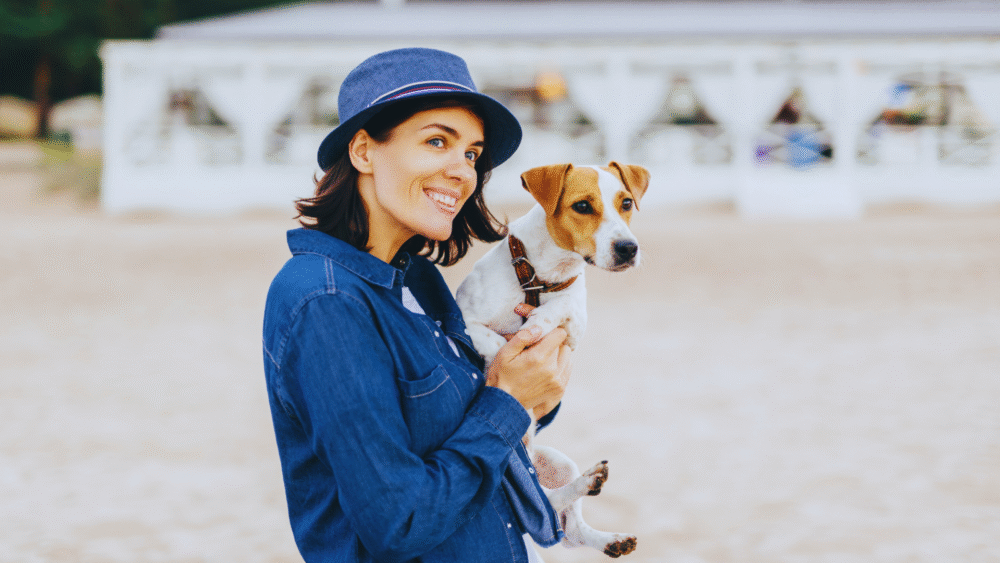
Capturing stylish photos with pets can elevate any casual snapshot into a memorable keepsake. Using natural light, choosing the right backgrounds, and knowing a few simple poses can significantly enhance those images. This not only showcases the pet’s personality but also the bond they share with their owner.
It’s important to consider the pet’s comfort during the shoot. A relaxed pet is more likely to pose naturally and look their best. Incorporating toys or treats can help engage pets, making it easier to snap those perfect moments.
Experimenting with angles can also transform ordinary photos into extraordinary ones. High or low perspectives can add depth and interest, showcasing the pet’s unique traits. With a bit of creativity and patience, anyone can capture stylish photos that tell a story.
Essential Preparation for Stylish Pet Photos
To capture stylish photos of pets, certain preparations are essential. This includes grooming, managing energy levels, and using treats and toys wisely. These steps ensure both the pet and the photographer are ready for a productive session.
Grooming and Outfits
Proper grooming significantly enhances a pet’s appearance. Brushing the coat removes loose fur and tangles, showcasing a clean and vibrant look. Depending on the pet’s type, grooming tools like brushes or clippers may be necessary.
Choosing the right outfit can add flair to the photo. Outfits should be comfortable and safe. Avoid restrictive clothing that limits movement. Simple accessories like bows or bandanas can work well. Ensure colors complement the pet’s natural features for better visual appeal.
Managing Your Pet’s Energy
Pet energy is pivotal to obtaining great photos. A well-exercised pet is more likely to sit still and pose. Take them for a walk or engage in a play session before the shoot. This helps to channel their energy positively during the photography session.
Observe the pet’s behavior; if they seem restless, take short breaks. Use these moments for quick rewards or brief play with toys. This strategy helps keep the pet focused and reduces any anxiety.
Using Treats and Toys Effectively
Treats and toys can be valuable tools in pet photography. They serve as incentives for good behavior and help to capture the pet’s attention. Select healthy, appealing treats that are easy to handle.
Using toys can elicit natural poses and expressions. Choose toys that squeak or make noise to attract interest. Position the treat or toy near the camera to encourage the pet to look directly at the lens. Just a few strategic placements can lead to eye-catching shots.
Mastering Lighting and Camera Techniques
Understanding how to manipulate lighting and camera settings significantly enhances pet photography. Natural light positions and various shooting modes can lead to striking images.
Utilizing Natural Light for the Best Results
Natural light is a key factor in pet photography. The best times to shoot are during golden hours—shortly after sunrise or before sunset. During these times, the light is softer and can add warmth to photographs.
Positioning the pet with the light source in front illuminates their features. Conversely, backlighting can create a silhouette effect, providing dramatic visuals.
Overcast days also work well, as the clouds diffuse harsh sunlight, minimizing shadows. For indoor shots, try to shoot near large windows or in well-lit areas. Ensuring the pet is well-lit will highlight their colors and expressions.
Choosing the Right Camera Modes
Selecting the suitable camera mode is crucial for capturing motion and detail. In standard modes, the camera automatically adjusts settings, but can vary in performance.
Aperture priority mode allows control over depth of field, focusing attention on the pet while blurring the background. Alternatively, using shutter priority mode can capture fast movements without blur, ideal for active pets.
For those using smartphone cameras, explore portrait or pet modes. These settings optimize the photo with adjustments for pet features. Experimenting with various settings will lead to better images overall.
Working With Burst and Continuous Shooting Modes
Burst mode allows rapid capture of multiple frames per second. This is essential for photographing pets in motion. Pressing the shutter button will take several photos in quick succession, increasing the chances of capturing the perfect moment.
Continuous shooting mode offers similar benefits, allowing for sustained shooting as long as the shutter button is held down. This is particularly useful for capturing playtime, where pets are often moving quickly.
Both modes can yield candid and dynamic shots. It’s recommended to review the images afterward to select the best ones, resulting in a more engaging photo set that showcases the pet’s personality.
Composing and Capturing Unique Pet Portraits
Capturing unique pet portraits requires careful attention to composition and detail. By selecting simple backgrounds, getting down to the pet’s level, and focusing on the eyes, one can create stunning images that highlight the pet’s personality.
Selecting Simple Backgrounds
The background sets the tone for the pet portrait. Opting for simple backgrounds ensures that the pet remains the focal point.
- Nature Settings: Use gardens or parks with greenery to complement the pet’s fur.
- Plain Walls: Indoor shots can benefit from plain walls or soft colors that do not distract.
- Textured Surfaces: Wooden floors or rocks can add depth without overwhelming the subject.
By minimizing distractions, the pet’s character is better showcased. Using props like blankets or cushions can unify the scene while keeping it straightforward.
Getting Down to Your Pet’s Level
Photographing from the pet’s eye level creates a more engaging image. This perspective allows the viewer to connect with the pet.
- Kneel or Sit: Physically getting low can help capture the pet’s environment from their perspective.
- Lens Choice: Using a wider-angle lens can enhance the sense of space without distorting the pet.
- Natural Poses: Capture candid moments during play or rest; these often reveal the pet’s true personality.
This approach not only makes the portrait relatable but also emphasizes the pet’s features and expressions.
Focusing on the Eyes
The eyes are often described as the windows to the soul, especially in pets. Paying close attention to this detail can elevate a portrait.
- Sharp Focus: Ensure the eyes are sharp and clear. A slight blur in the surroundings can create a nice depth effect.
- Lighting: Lighting plays a crucial role; natural light enhances the color and detail in the eyes.
- Catchlights: Look for opportunities to catch light reflections in the eyes. This adds life and vibrancy to the portrait.
Capturing the eyes effectively draws viewers in and creates an emotional connection to the portrait.
Creative Pet Photography Ideas
Capturing stylish photos of pets involves using creative techniques to highlight their personalities and actions. This section presents ways to enhance pet photography through action shots and thoughtful prop use.
Capturing Action and Candid Moments
To take dynamic photos, focus on your pet in action. Use a fast shutter speed to freeze moments like jumping, running, or playing. Having treats or toys nearby can help evoke excitement, leading to genuine expressions.
Tips for Action Shots:
- Get Low: Photograph from your pet’s eye level for a personal feel.
- Burst Mode: Use continuous shooting to capture multiple frames at once.
- Natural Light: Shoot outdoors during golden hour for soft lighting.
Candid shots of pets at home can showcase their unique traits. Stay patient and keep the camera ready to catch spontaneous moments, like curiosity-driven interactions or playful antics.
Incorporating Props and Accessories
Props can add flair to pet photos by enhancing storytelling. Consider using items like hats, toys, or blankets to create a mood or theme.
Effective Use of Props:
- Seasonal Themes: Incorporate seasonal items, such as pumpkins for fall or flowers for spring.
- Color Coordination: Match props with your pet’s fur colors for a harmonious look.
- Personal Touches: Use your pet’s favorite toys to make the setting more intimate.
When accessorizing pets, ensure comfort and safety. Avoid tight or heavy items that may irritate them, and choose props that they feel positive around. Proper selection leads to relaxed pets and more authentic photos.