
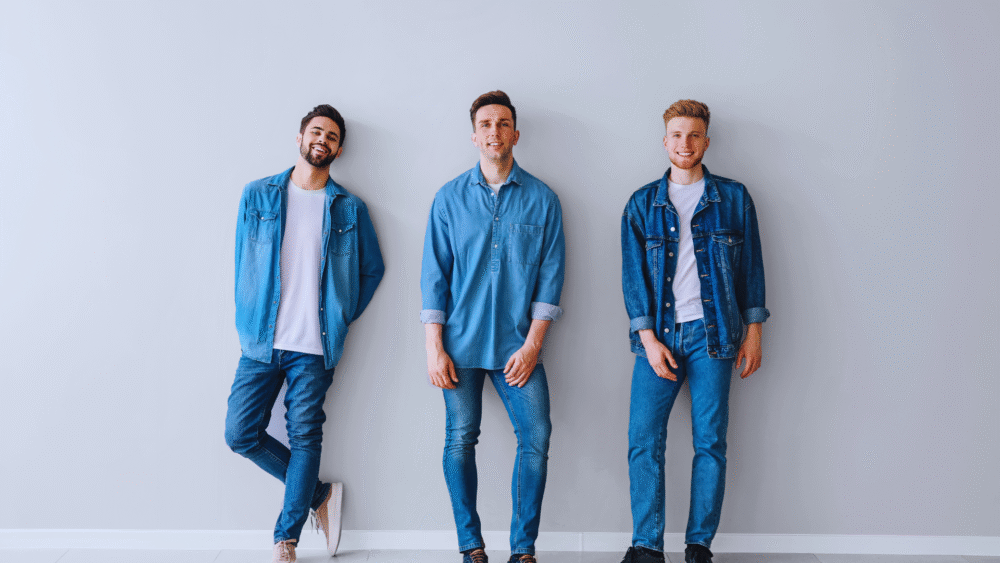
Fashion serves as a powerful means of self-expression, allowing individuals to showcase their unique personality through their clothing choices. By selecting pieces that resonate with their identity, styles can reflect passions, moods, and personal values. Every day fashion becomes a canvas where creativity and individuality can thrive, enabling anyone to stand out in a crowd.
Deciding how to convey personality through outfits starts with an understanding of personal style. Some might gravitate toward bold colors and patterns, while others may prefer minimalist designs or vintage finds. Each choice made in the realm of fashion creates an opportunity for self-presentation and connection with others.
Accessorizing also plays a crucial role in personalizing everyday looks. Items such as jewelry, bags, and footwear can elevate an outfit and communicate specific aspects of one’s character. Using these fashion elements not only enhances an ensemble but also reinforces personal narratives and allows for deeper connections with the surrounding world.
Understanding the Power of Fashion as Self-Expression
Fashion serves as a vital medium for individuals to convey their unique identities. Through clothing choices, they can project confidence and embody personal values while expressing their moods.
Fashion and Personal Identity
Fashion significantly influences personal identity. Each individual’s clothing choices often reflect their cultural background, social status, and even personal beliefs. For instance, someone who prioritizes sustainability may choose ethically sourced clothing, while another may prefer avant-garde fashion to make a bold statement.
Personal style evolves over time, influenced by life experiences and societal trends. This evolution allows individuals to showcase various aspects of their personalities. Those who embrace eclectic styles often blend different genres, illustrating the dynamic nature of self-expression. Ultimately, fashion becomes an essential tool for individuals to define who they are and how they wish to be perceived.
The Psychology of Personal Style
The psychology behind personal style is complex. Clothing can impact self-esteem and mood significantly. When individuals wear clothes that resonate with their personality, they often feel more confident. This boost in confidence can enhance social interactions and overall well-being. As such, style can serve not just an aesthetic purpose but a psychological one as well.
Research indicates that people often judge others based on their clothing. This phenomenon reinforces the idea that style communicates messages about competence, reliability, and creativity. Therefore, understanding personal style can lead to greater self-awareness and intentionality in choices, allowing for an authentic expression of self.
Communicating Mood and Values Through Clothing
Clothing choices can effectively communicate mood and values. A casual ensemble may convey a relaxed attitude, while a tailored outfit can suggest professionalism and ambition. Colors and patterns also play crucial roles in how emotions are expressed; for example, bold colors may indicate confidence, while soft tones can reflect tranquility.
Additionally, fashion choices can reveal personal values, such as a commitment to social justice through fair-trade brands or support for LGBTQ+ rights with rainbow motifs. Fashion allows individuals to align their outer appearance with their inner beliefs, serving as a daily reminder of who they are and what they stand for. Through conscious clothing choices, they craft a narrative that resonates with their unique identity.
Building a Wardrobe That Reflects Your Personality
Creating a wardrobe that embodies personal style goes beyond simply following current trends. It involves thoughtful consideration of individual preferences, body type, and how to blend trendy pieces with timeless essentials.
Assessing Style Preferences
Identifying style preferences is essential for building a wardrobe. This process begins with self-reflection. Individuals can explore their tastes by:
- Visualizing Inspirations: Collect images from magazines or online platforms that resonate.
- Creating a Mood Board: Compile these visuals to encapsulate specific aesthetics or themes.
She may find she is drawn to bold patterns or prefers neutral tones. This clarity allows for making intentional fashion choices that signal unique style, enhancing both confidence and personal expression.
Balancing Trends with Timeless Pieces
Trendy items can energize a wardrobe, yet relying solely on fast fashion may lead to a fleeting style. Integrating timeless pieces creates a balanced foundation. Key items include:
- Tailored Blazers: A versatile blazer pairs well with various outfits, offering structure.
- Classic Denim: Well-fitted jeans can transition from casual to semi-formal effortlessly.
Maintaining a mix helps to prevent style stagnation. Individuals should choose trendy pieces that complement these staples instead of overwhelming their closets.
Considering Body Type and Fit
Understanding body type is crucial for choosing clothing that flatters. She should consider how styles align with her shape. This includes:
- Identifying Silhouettes: Some may prefer A-line skirts, while others find tailored pants more flattering.
- Emphasizing Fit: Clothes that fit properly enhance appearance. Tailoring garments, such as altering a blazer for a better fit, can make a significant difference.
By prioritizing fit over brand names or trends, individuals can build a wardrobe that highlights their unique features and feels comfortable to wear.
Injecting Individuality with Colors, Patterns, and Textures
Colors, patterns, and textures play a critical role in expressing personal style. The right combination can showcase individuality and creativity in everyday fashion choices. This section addresses how to select colors, explore patterns, and play with textures effectively.
Selecting and Mixing Colors for Expression
Choosing the right colors can profoundly impact personal style. Warm colors like red and orange evoke energy, while cool colors like blue and green convey calmness.
Mixing Colors:
- Complementary Colors: Pair colors opposite each other on the color wheel, such as blue and orange, for a vibrant look.
- Analogous Colors: Combine colors next to each other, like green and yellow, for a harmonious effect.
Incorporating bold colors can make a statement, while muted tones can reflect subtlety. Accessories, such as bags or shoes, allow for adding pops of color without overwhelming an outfit.
Experimenting with color combinations can lead to unique outfits that represent personal preferences.
Exploring Patterns to Showcase Creativity
Patterns provide an avenue for individuals to display their creativity. From stripes to florals, patterns can be used in various ways to enhance outfits.
Types of Patterns:
- Geometric: These patterns add a modern touch to clothing.
- Floral: Often associated with femininity, florals can be styled boldly or delicately.
- Plaid and Checks: Great for layering and can be both casual and formal.
Mixing patterns can create visual interest. For example, pairing a floral top with striped pants can yield a fresh look. It’s essential to maintain a balanced approach, ensuring one pattern does not overpower the other.
Playing with Textures: From Lace to Velvet
Textures add depth to any outfit, making it visually engaging. Fabrics such as lace, velvet, and denim introduce tactile elements that contribute to style.
Textural Combinations:
- Lace and Leather: Lace adds femininity, while leather brings an edgy contrast.
- Velvet and Cotton: Combining luxurious velvet with casual cotton creates an interesting balance.
Layering different textures can enhance an outfit’s complexity. A velvet blazer over a cotton shirt or lace top can provide depth and intrigue. Choosing varied textures encourages creativity and personal expression through fashion.
Elevating Everyday Fashion Through Accessories
Accessories play a crucial role in defining personal style and enhancing any outfit. By selecting the right pieces, one can effortlessly elevate their everyday look, allowing for self-expression and creativity.
Choosing Statement Accessories
Statement accessories serve as focal points in an outfit. A bold statement necklace can transform a simple shirt into a standout ensemble. To choose effectively, individuals should consider their personal style and the message they wish to convey.
Some popular options include oversized earrings, chunky bracelets, or colorful scarves. These items draw attention and help articulate a unique fashion identity. It’s essential to balance statement pieces with more subtle attire to avoid overwhelming the overall look.
The Impact of Sunglasses and Iconic Pieces
Sunglasses not only protect the eyes but also add an element of sophistication. A well-chosen pair can enhance facial features and complement various styles. Classic shapes like aviators or cat-eyes work well in many contexts, making them versatile options.
In addition to sunglasses, iconic pieces like a designer handbag or a distinctive belt can elevate an outfit. These items often become signature pieces in a wardrobe, allowing for easy styling across various outfits while expressing individual taste.
Combining Accessories for a Cohesive Look
Combining accessories thoughtfully can create a harmonious overall appearance. Layering necklaces of different lengths or stacking bracelets can generate visual interest without being chaotic.
Color coordination is essential; accessories should complement the outfit’s color scheme. For example, pairing warm-toned accessories with earth-toned clothing creates unity. When executed skillfully, combining accessories can result in a polished and intentional look, highlighting personal flair.