
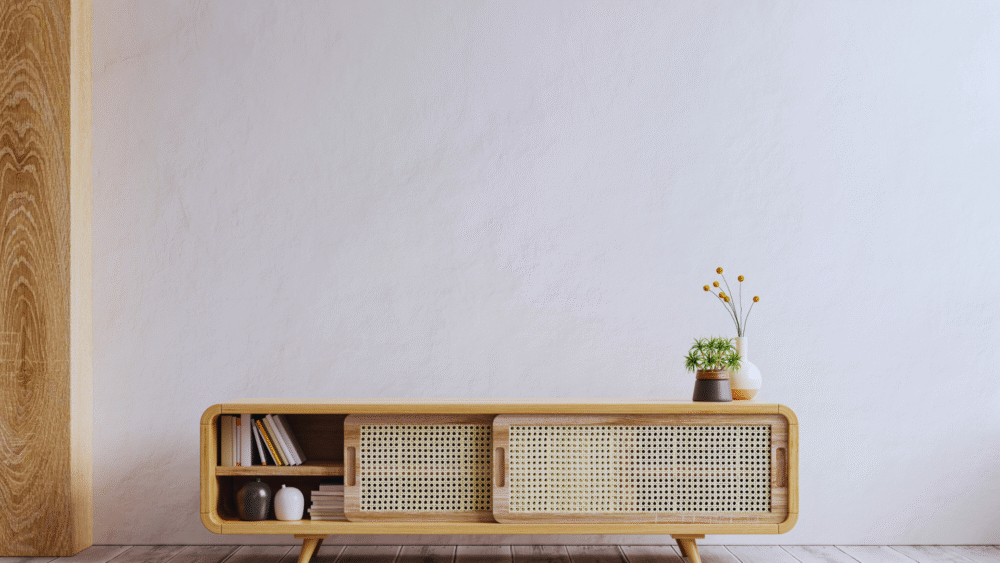
Mixing patterns and textures in home decor can transform a space from ordinary to extraordinary. To achieve a harmonious look, one must balance bold prints with subtle designs, ensuring that they complement rather than clash. The key lies in selecting a cohesive color palette and varying the scale of both patterns and textures to create depth and interest.
Incorporating different materials enhances the visual appeal of a room. Soft textiles, sleek metals, and natural woods can all coexist, provided they are thoughtfully arranged. A strategic approach to layering these elements can create a dynamic yet inviting environment that feels curated and intentional.
Fostering a sense of balance is crucial. When mixing patterns, it helps to anchor the arrangement with solid colors or neutral pieces. This provides breathing room and allows the eye to appreciate the exciting combinations without overwhelming the senses.
Core Principles of Mixing Patterns and Textures
Mixing patterns and textures in interior design requires a solid understanding of the elements involved. Key considerations include balancing visual interest and establishing a cohesive color palette. These principles serve as a foundation for creating harmonious and dynamic spaces.
Understanding Patterns and Textures
Patterns can be geometric, floral, or abstract, while textures add depth and tactile interest through materials like fabric, wood, and metal. Each element has its own visual weight.
When choosing patterns, it’s crucial to consider scale. Large patterns make bold statements, while small patterns create subtlety. Mixing different scales can enhance visual interaction in a room.
Textures are equally important. Smooth surfaces can contrast effectively with rough ones. For example, pairing a sleek leather sofa with a knitted throw can create a dynamic interplay.
Importance of Balance and Visual Interest
Achieving balance in a room requires careful distribution of patterns and textures. This can be accomplished by limiting the number of different patterns to two or three.
Using similar shapes or motifs across patterns can unify the design. For example, a striped cushion can harmonize with a floral sofa if both share a common color scheme.
Visual interest also comes from varying the texture. Combining soft and hard textures—such as a plush rug with a metallic coffee table—can create layers and depth. This variation engages the viewer and makes spaces memorable.
Establishing a Cohesive Color Palette
A cohesive color palette ties together patterns and textures seamlessly. Choosing a base color, alongside a few accent colors, can simplify decision-making.
Using a color wheel can assist in selecting complementary colors. For example, a warm neutral base can pair well with cool-toned accents.
When integrating patterns, ensure that the colors within them reflect the established palette. This creates continuity and prevents visual chaos. For instance, a colorful, patterned rug should include hues found in the surrounding textiles and furnishings.
Mastering Pattern Mixing Techniques
Effective pattern mixing elevates interior design by adding visual interest and depth. Key strategies involve varying pattern scale, combining different types, and balancing designs to create a cohesive look.
Varying Pattern Scale and Proportion
Using different scales is crucial in pattern mixing. Pairing a large-scale floral print with smaller polka dots can create a dynamic contrast. For example, a bold, oversized floral wallpaper works well against smaller geometric cushions.
Proportions also play a vital role. Ensure that larger patterns do not overwhelm smaller elements. A guideline is to have one dominant pattern, with supporting patterns that complement without competing.
Combining Different Pattern Types
The type of patterns chosen can significantly affect the overall aesthetic. Combining stripes, florals, and geometrics in a single space is possible if done correctly.
For instance, a striped rug can ground a room while floral curtains add texture. It’s beneficial to stick to a color palette that unifies these patterns, ensuring harmony. Mixing animal prints with solids can add an unexpected yet classy touch, breaking monotony without becoming chaotic.
Balancing Busy and Subtle Designs
Balancing bold and subtle designs enhances the visual narrative of a space. Busy patterns like ornate wallpaper should be balanced with solid fabrics to prevent visual chaos.
In a living room, for instance, vibrant, patterned armchairs can be paired with a neutral sofa. This approach allows the eye to rest while still enjoying diverse designs.
Combining elements such as busy geometric designs with soft, understated prints can create a tranquil yet visually engaging environment. Aim for a mix that speaks to both personality and cohesion.
Adding Depth Through Texture
Incorporating texture into a home not only enhances visual appeal but also adds tangible depth. The careful layering and blending of various materials can create an inviting environment. Focusing on specific elements will help in achieving a well-rounded design.
Layering Textures for Dimension
Layering different textures is crucial for creating dimension in a space. Using fabrics like velvet, linen, and cotton can make upholstery and soft furnishings more engaging. A velvet sofa paired with linen throw pillows introduces both softness and contrast.
Adding textures from various sources, such as woven rattan and smooth leather, further enhances visual interest. Consider incorporating a textured area rug beneath a sleek wooden coffee table to anchor the room.
Layering should also involve varying the thickness and weaves of textiles. Combining chunky knit throws with lightweight, sheer fabrics allows for a rich, multi-dimensional look.
Blending Materials and Finishes
Mixing materials contributes to depth by creating a dynamic environment. The contrast between polished surfaces and more rustic items attracts the eye. For example, merging glass elements with wooden features can establish a balance between modern and traditional aesthetics.
Textures like metal and wood can play off each other effectively. Sleek metal finishes on lighting fixtures can complement rich wooden shelves. This combination adds warmth and an industrial feel.
It’s essential to maintain a cohesive color palette when blending materials. Select a few key colors to repeat across different textures, unifying the design while adding depth.
Selecting Textural Accessories
Textural accessories play a vital role in completing a room’s look. Options like decorative throw pillows or textured wall art can provide that finishing touch. A selection of pillows in varying fabrics and patterns can instantly elevate a sofa, making it inviting.
Consider including textural accents like a woven basket or ceramic vases to enhance the aesthetic. For instance, a rattan basket can introduce organic texture, while metallic vases can add shine and sophistication.
Incorporate these accessories thoughtfully to avoid overwhelming the space. Balance bold textures with simpler pieces to maintain harmony throughout the room.
Creating Cohesion and Personal Style
Establishing cohesion within a home involves a strategic approach to mixing patterns and textures. Personal style plays a crucial role in this process, adding character and uniqueness to each space.
Choosing a Focal Point
A focal point anchors a room and helps guide the selection of patterns and textures. This can be a striking piece of furniture, artwork, or a fireplace. By centering the design around this element, other items can complement it without overwhelming the space.
For example, if the focal point is a bold rug, select colors from it for pillows or curtains. This creates a visual connection throughout the room. Contrast can be achieved through varying textures like smooth leather against a soft wool throw, creating depth.
Using Patterns and Textures Across Spaces
Coordinating patterns and textures across different areas enhances flow. Each room should reflect elements from adjacent spaces, creating an inviting transition. A successful method is to repeat key colors and similar patterns, ensuring they echo throughout.
For instance, a stripe used on a sofa can be mirrored in a nearby chair or art piece. Textures like matte, glossy, and rough can be combined as well. The goal is to avoid chaos; instead, aim for harmony.
Infusing Your Personal Style
Infusing personal style into a home allows for individuality. He or she should consider their lifestyle, interests, and favorite elements when mixing patterns and textures. Using items from travels or cherished heirlooms can add a story to the decor.
Incorporating personal touches means choosing patterns that resonate emotionally. If bright colors are preferred, these can be added through accessories to keep the space lively. Balance is key; too many competing patterns may muddle the design. Selecting a few that stand out creates a signature style while maintaining cohesion.