
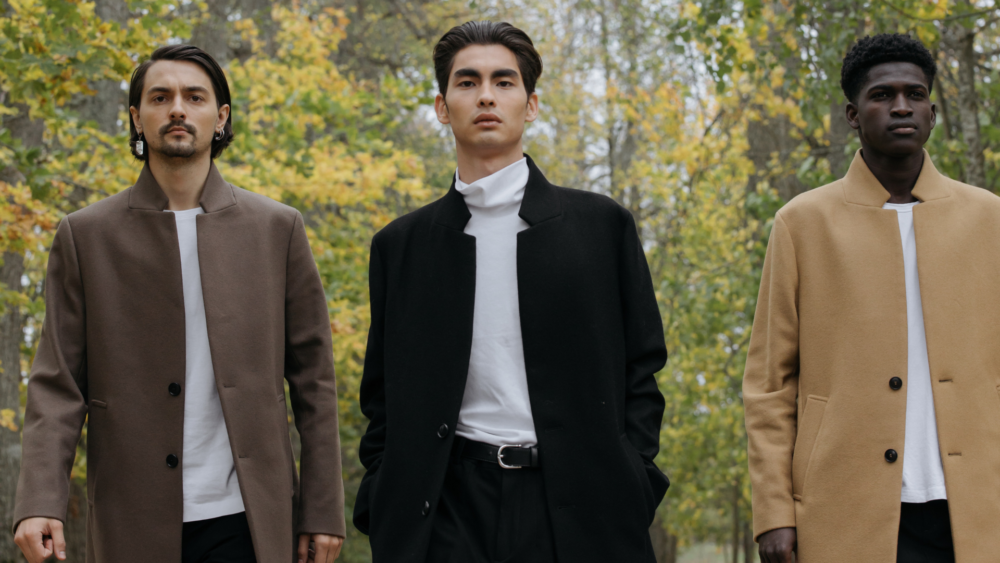
Men’s fashion is an essential aspect of personal expression and self-confidence. Dressing well involves understanding style, trends, and the pieces that best-fit one’s personality and body type. By mastering these elements, any man can elevate his appearance and make a lasting impression.
In a world where first impressions matter, having a solid grasp of fashion can set a man apart from the crowd. Whether it’s choosing the right colors, understanding fit, or integrating seasonal trends, each decision contributes to a polished and stylish look.
While wearing the correct fits is crucial, grooming is just as important in creating a refined appearance. Clean skin, neatly trimmed nails, and an intentional grooming routine can enhance even the most stylish outfit. Maintaining a sharp haircut and well-kept facial hair can be key to pulling the whole look together, and one can consider visiting professionals from establishments like Teds Grooming Room, who can take care of the details with skill and attention to detail.
Looking sharp isn’t just about clothes—it’s about presenting a complete, well-kept image. With the right guidance, men can navigate the complexities of fashion and develop a wardrobe that reflects their individuality. By focusing on key principles, they can ensure they always look their best, no matter the occasion.
Understanding the Basics of Men’s Fashion
A solid foundation in men’s fashion starts with developing a personal style and understanding the importance of fit and proportion. These core elements are crucial for creating a wardrobe that is both stylish and appropriate for various occasions.
Developing a Personal Style
To foster a unique personal style, one must first consider individual preferences and lifestyle needs. This process begins with identifying what styles resonate most, whether they lean towards classic, casual, or formal.
- Experimentation: Trying different clothing types, colors, and patterns can enhance style. Mixing and matching pieces allows for a better understanding of what works.
- Inspiration: Utilizing sources like fashion magazines, social media, and influencers can provide fresh ideas. Observing how others combine outfits can spark creativity.
- Confidence: Wearing what feels comfortable and makes him feel good is essential. Confidence significantly influences how clothing is perceived.
Establishing a personal style requires self-awareness and openness to change, allowing flexibility in adapting to new trends.
Essentials of Fit and Proportion
Fit and proportion are vital in achieving a polished look. Clothes should complement the wearer’s body shape and enhance appearance rather than detract from it.
- Tailored Fit: Investing in tailored clothing ensures a better fit than off-the-rack options. Key garments like suits and Custom Dress Shirts should contour the body without being excessively tight.
- Body Proportions: Understanding body shape guides choices regarding neckline, sleeve length, and pant styles. For example, shorter individuals may benefit from vertically striped fabrics to create an elongated appearance.
- Balance: Mixing slim-fit and regular-fit pieces can create a balanced silhouette. Pairing a fitted top with looser bottoms or vice versa is effective.
Footwear also plays a key role in shaping visual proportion—options like smart casual elevator shoes can provide subtle height enhancement while maintaining a polished, versatile look suitable for everyday or professional settings. Focusing on fit and proportion not only enhances comfort but also elevates the overall aesthetic of an outfit.
Building Your Wardrobe
Creating a versatile wardrobe involves a careful selection of clothing pieces that provide a strong foundation for various styles. It requires an understanding of timeless items, the strategic use of color and texture, and the smart incorporation of patterns and details.
Selecting Timeless Pieces
Timeless pieces are essential for any wardrobe. These include items such as:
- Classic White Shirt: Suitable for both casual and formal occasions.
- Dark Denim Jeans: Versatile and easy to dress up or down.
- Tailored Blazer: Instantly elevates an outfit.
- Chinos in Neutral Colors: A great alternative to jeans, offering a sophisticated look.
- Quality Leather Shoes: Durable and stylish, they complete any outfit.
Investing in high-quality materials ensures longevity. Opt for tailored fits; they enhance appearance. Each piece should blend well with others, forming a cohesive look.
The Role of Color and Texture
Color greatly impacts the visual appeal of an outfit. Incorporating neutral colors like gray, beige, and navy allows for easy mixing. These shades serve as a base for brighter accents.
Texture adds depth and interest. Consider fabrics like wool, cotton, and linen. Each brings its unique feel and drape to the outfit. For instance, a soft cotton shirt paired with a textured wool sweater creates contrast and keeps the style dynamic.
A color palette should be balanced; too many bold colors can overwhelm. Stick to two or three primary colors with complementary tones.
Incorporating Patterns and Details
Patterns can enhance a wardrobe when applied thoughtfully. Solid colors create a clean foundation for showcasing patterns like stripes, checks, and florals.
When choosing patterns, consider scale. Larger patterns work well on bigger garments, while smaller patterns suit accessories or shirts. A striped tie can complement a solid-colored suit effectively.
Details matter too. Focus on elements such as:
- Button styles: Opt for unique buttons for subtle flair.
- Stitching: Contrast stitching on shirts can create visual interest.
- Pocket squares: These add sophistication to blazers.
Balancing these aspects ensures a polished look without overwhelming the outfit. Each detail contributes to a well-rounded wardrobe.
Dressing for Occasions
Choosing the right outfit for various occasions is essential in projecting confidence and style. By understanding dress codes, differentiating casual and formal attire, and accessorizing effectively, individuals can ensure they are appropriately dressed for any event.
Navigating Dress Codes
Dress codes vary widely across different events. Common classifications include casual, business casual, semi-formal, and formal.
- Casual typically allows for relaxed clothing, including jeans, polo shirts, and sneakers.
- Business casual leans toward slacks and collared shirts, along with closed-toe shoes.
- Semi-formal requires a suit or blazer with dress shoes.
- Formal events demand tuxedos or dark suits with a crisp dress shirt and tie.
Understanding these distinctions helps in selecting outfits that are fitting and respectful of the occasion.
Casual vs. Formal Outfits
Casual outfits prioritize comfort and ease. They often feature materials like cotton and denim. A simple t-shirt paired with chinos and loafers works well for informal settings.
In contrast, formal outfits center on elegance. Fabrics like wool and silk elevate the look. Key pieces include tailored suits and dress shoes. Accessories such as ties and pocket squares add a refined touch.
Men should remember that formal doesn’t mean sacrificing personal style; subtle pattern variations and color coordination can showcase individuality while remaining appropriate.
Accessorizing with Purpose
Accessories can elevate an outfit significantly. Simple additions such as watches and belts can enhance a look without overwhelming it.
Key accessories include:
- Ties: A well-chosen tie can complement a suit, adding a pop of color or pattern.
- Pocket Squares: These add a touch of sophistication to blazers and suits.
- Footwear: Shoes should align with the formality of the outfit; leather dress shoes for formal occasions and loafers for casual ones.
When dressing for an occasion, each accessory should serve a purpose and enhance the overall ensemble.
Tailoring and Maintenance
For a polished appearance, proper tailoring and garment care are essential. Tailoring ensures that clothing fits impeccably, while maintenance keeps garments looking their best over time.
Finding a Good Tailor
A skilled tailor can elevate any wardrobe. When searching for a tailor, consider their expertise in various types of clothing, such as suits, shirts, and casual wear. Look for recommendations from friends or local fashion experts.
Once a potential tailor is identified, request a consultation. It’s crucial to discuss specific alterations, such as sizing down jackets or adjusting pant lengths.
Pay attention to their previous work; assessing samples or client reviews can provide insights into their skills. Establishing a good rapport with the tailor may also lead to better-fitting results in the long run.
Caring for Your Wardrobe
Maintaining clothing extends its lifespan and appearance. Begin by following care labels for washing, drying, and ironing. For example, delicate fabrics may require hand washing or dry cleaning.
Invest in quality hangers like a wooden Black Clothes Hanger for example, to prevent garment stretching. Use cedar or anti-moth products to protect against pests.
Regularly inspect garments for loose threads or minor tears that can be easily repaired. Properly folding or hanging clothes helps avoid wrinkles. For shoes, applying polish and conditioning leather keeps them in optimal condition.
By adopting these care practices, one can ensure that well-tailored pieces remain looking sharp and stylish for years.