
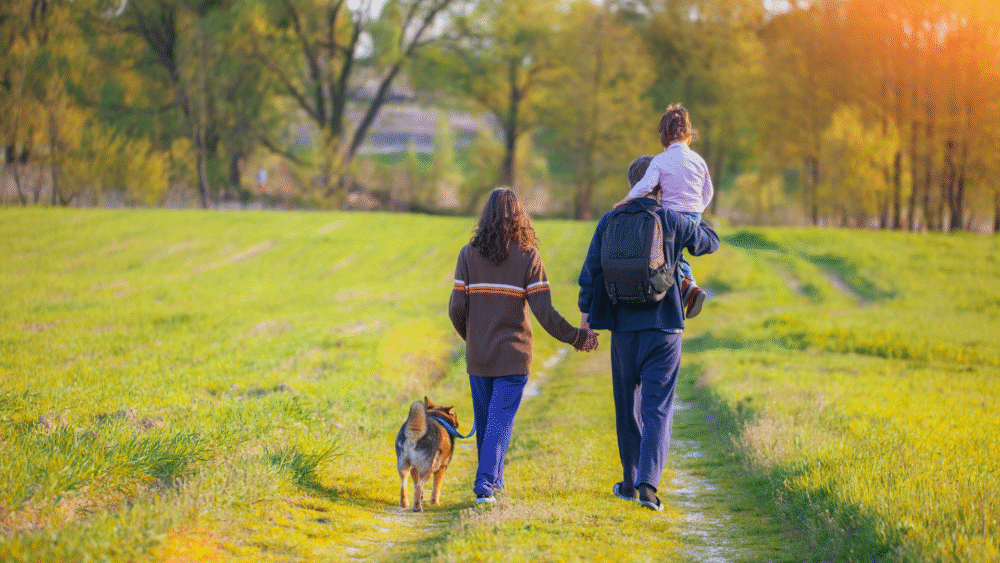
Daily walks offer numerous physical and mental health benefits for both dogs and their owners. A consistent walking routine not only enhances a dog’s well-being through increased exercise and socialization but also promotes a healthier lifestyle for humans, reducing stress and improving mood. Engaging in this simple activity can strengthen the bond between dogs and their owners, making each outing enjoyable and purposeful.
In addition to fostering a closer connection, daily walks provide essential stimulation for dogs, helping to alleviate behavioral issues often caused by pent-up energy. For humans, the effects of walking extend beyond physical fitness; it encourages mindfulness and provides a moment of respite in a busy day.
By incorporating daily walks into a routine, both dogs and their owners can reap the rewards of a happier, healthier life. The positive changes from this practice can be profound, making it a worthwhile commitment for dog owners everywhere.
Key Health Benefits of Daily Walks for Dogs and Humans
Daily walks provide various health benefits that contribute to the well-being of both dogs and humans. These benefits encompass physical activity, joint health, and improvements in cardiovascular and urinary health.
Physical Activity and Weight Management
Engaging in daily walks helps maintain a healthy weight for both dogs and humans. Regular physical activity promotes calorie burning, a crucial aspect of weight management. For dogs, consistent exercise reduces the risk of obesity, which can lead to various health issues.
In humans, walking lowers the risk of weight gain and supports healthy metabolism. Walking for just 30 minutes daily can burn between 150-200 calories, depending on intensity and individual weight. Structuring walks to include varied terrain can increase the intensity, enhancing the workout. Maintaining a healthy weight benefits overall health. It reduces strain on the joints and mitigates the risk of developing chronic conditions such as type 2 diabetes and heart disease.
Joint Health and Arthritis Prevention
Regular walking promotes joint health in both dogs and humans. For dogs, it helps maintain flexibility and strengthens the muscles surrounding joints. This activity is crucial in preventing arthritis, a common ailment in older dogs.
In humans, walking can decrease the risk of joint problems by enhancing circulation. Increased blood flow can help nourish cartilage, which supports joint function. Gentle movements from walking can also help alleviate stiffness caused by prolonged inactivity. Both dogs and humans benefit from consistent walking routines. Setting a moderate pace ensures that exercise remains low-impact, thereby minimizing the risk of injury while promoting joint health.
Cardiovascular and Urinary Health
Daily walks significantly contribute to cardiovascular health. For dogs, regular aerobic exercise strengthens their heart and improves circulation. This can lead to a longer, healthier life, reducing the risk of cardiovascular disease. Humans experience similar benefits. Walking enhances heart function and lowers blood pressure. It can also improve cholesterol levels, leading to a healthier cardiovascular profile.
Walking also supports urinary health. For dogs, regular bathroom breaks during walks reduce the risk of urinary tract infections. For humans, staying active can help reduce the likelihood of urinary incontinence issues, particularly in older adults.
Mental and Emotional Advantages of Walking Together
Walking provides significant mental and emotional benefits for both dogs and their owners. Engaging in this daily routine enhances mental stimulation, supports emotional well-being, and can even mitigate behavioral issues.
Mental Stimulation and Behavioral Improvements
Daily walks expose dogs to various environments, sounds, and sights. This sensory input is vital for mental stimulation. When dogs encounter new stimuli, their brains work to process the information, leading to improved cognitive function.
Regular walking can also help in addressing behavioral problems. A mentally engaged dog is less likely to exhibit unwanted behaviors, such as excessive barking or hyperactivity. Owners may notice a more focused and calm demeanor in their pets after consistent walks, creating a more harmonious living environment.
Reducing Destructive Behavior
Destructive behavior often stems from boredom and pent-up energy. Taking dogs on regular walks helps alleviate both issues. Engaging in physical activity allows them to expend energy, reducing the likelihood of digging or chewing household items.
Dog owners need to establish a walking routine. A structured schedule not only helps dogs understand expectations but also instills a sense of security. As a result, they may feel less anxious and more in tune with their environment.
Supporting Emotional Health
Walking together fosters a stronger bond between dogs and their owners. This shared experience enhances trust and companionship, contributing to better emotional health for both. Dogs thrive on positive interactions, and regular outings can improve their overall mood.
For owners, daily walks serve as a stress-reliever. Engaging with their dog outdoors can provide mental clarity and a break from daily pressures. This mutual benefit reinforces the emotional connection, making both dog and owner feel more fulfilled.
The Importance of Socialization and Bonding
Daily walks serve as a vital opportunity for both dogs and their owners to engage in socialization and bond with one another. During these walks, interactions with other dogs and people can enrich the lives of pets and promote stronger relationships with their owners.
Dog Walking and Social Interaction
Walking provides dogs with essential socialization opportunities. During outings, dogs encounter various stimuli, including other dogs, people, and different environments. These interactions help pets learn social cues and improve their behavior in diverse settings.
Frequent walking also helps reduce anxiety and aggression by allowing dogs to familiarize themselves with their surroundings. Meeting other dogs encourages play and establishes healthy friendships. Maintaining positive interactions can lead to well-adjusted dogs that are comfortable in social settings.
Strengthening Human-Dog Relationships
Shared walking experiences enhance the bond between humans and dogs. These regular outings foster trust and communication, key elements in forming strong relationships. Dogs become more responsive and understanding of their owners’ cues during walks.
Engaging in activities such as playing fetch or practicing commands while walking also promotes teamwork. Owners who walk their dogs frequently often observe improvements in behavior, making the experience enjoyable for both parties. By investing time in daily walks, the connection between humans and dogs becomes more profound, leading to greater companionship.
Tailoring Daily Walks for Different Dog Life Stages
Different life stages of dogs require unique approaches to daily walks. Understanding how to adapt these walks can provide health benefits and enhance the bond between the dog and its owner.
Guidance for Puppies
Puppies are energetic and curious. Short, frequent walks are ideal, allowing them to explore their environment safely.
- Duration: Aim for 5 minutes of walking for each month of age. For example, a three-month-old puppy can handle about 15 minutes.
- Socialization: Exposure to various sights, sounds, and other dogs is crucial. It helps in developing confidence.
Incorporating play and training during walks is beneficial. This keeps the puppy engaged and aids in developing basic commands.
Considerations for Adult Dogs
Adult dogs typically have more stamina and strength. Daily walks should be more structured and regular.
- Duration and Frequency: Aim for at least 30 minutes of walking, once or twice a day. Larger breeds may require more exercise.
- Pace: Keep a brisk pace to ensure the dog remains active, incorporating light jogging if suitable.
Include varied routes and terrains to stimulate the dog mentally and physically. This can help prevent boredom and encourage exploration.
Special Needs for Senior Dogs
Senior dogs often have different needs due to age-related issues. Adaptations are essential for their comfort and health.
- Shorter Walks: Reduce the length and intensity, aiming for 20-30 minutes. Monitor for signs of fatigue.
- Flat Terrain: Choose more even surfaces to reduce strain on joints.
Regular, gentle walks can improve mobility. Staying consistent with a routine is beneficial for senior dogs’ well-being.
Adapting Frequency and Intensity
It is important to adjust the frequency and intensity of walks based on the dog’s age and health.
- Puppies: Frequent, shorter walks build stamina without overwhelming them.
- Adults: Regular walks of moderate intensity help maintain fitness. Increase duration and intensity based on energy levels.
- Seniors: Reduce frequency and intensity, focusing on consistent, leisurely walks for better joint health.
Monitoring the dog’s behavior during walks is critical. Adjustments should be made as needed to ensure the experience remains enjoyable and beneficial.