
Transitional seasons can pose a challenge for anyone looking to maintain a stylish wardrobe. The best style tips for seasonal wardrobe transitions involve layering, choosing versatile pieces, and incorporating seasonal colors. These strategies allow individuals to adapt their outfits easily as temperatures fluctuate.
Layering is key during this time. Lightweight sweaters, cardigans, and scarves can transform an outfit from summer to fall without requiring a complete wardrobe overhaul. Pairing these pieces with shorts or dresses provides both comfort and style.
Versatile clothing items, such as neutral-colored tops and tailored jackets, can bridge gaps between seasons. Adding pops of seasonal color through accessories keeps the look fresh and engaging, ensuring a polished appearance no matter the weather.
Building a Versatile Foundation for Seasonal Wardrobe Transitions
Establishing a strong foundation in a wardrobe enhances the ease of transitioning between seasons. This involves selecting essential basics, curating a thoughtful capsule wardrobe, maximizing timeless pieces, and organizing the closet efficiently.
Essential Wardrobe Basics for All Seasons
Wardrobe basics serve as the backbone of any outfit. Key pieces include:
- Plain T-shirts: Versatile options in neutral colors.
- Classic Button-Down Shirts: Suitable for casual and formal occasions.
- Tailored Trousers: Provides a polished look that works year-round.
- Simple Denim: A go-to for casual wear and layering.
Investing in high-quality fabrics ensures durability. Fabrics like cotton, linen, and merino wool are comfortable and easy to layer. More importantly, these basics can adapt to seasonal temperatures, making them essential for seamless wardrobe transitions.
Curating a Capsule Wardrobe
A capsule wardrobe comprises a limited selection of clothing that emphasizes versatility. The focus here is on quality over quantity. A well-curated capsule should contain:
- A neutral palette that facilitates mixing and matching.
- Statement pieces, such as a blazer or a standout dress that elevate basic outfits.
- Seasonal accessories to provide variety without needing multiple outfits.
She or he can keep this wardrobe dynamic by rotating in a few trendy items. This approach minimizes clutter while maximizing outfit possibilities across seasons.
Maximizing Timeless Pieces
Timeless pieces are critical for sustaining a versatile wardrobe. These items never go out of style and include:
- A classic little black dress.
- Chic ankle boots that pair well with various outfits.
- Tailored coats for layering during cooler months.
Selecting high-quality, timeless pieces helps in reducing the need for frequent shopping. Prioritizing longevity and craftsmanship allows for investment in the wardrobe. When cared for properly, these items can last for years.
Storing and Organizing Your Closet
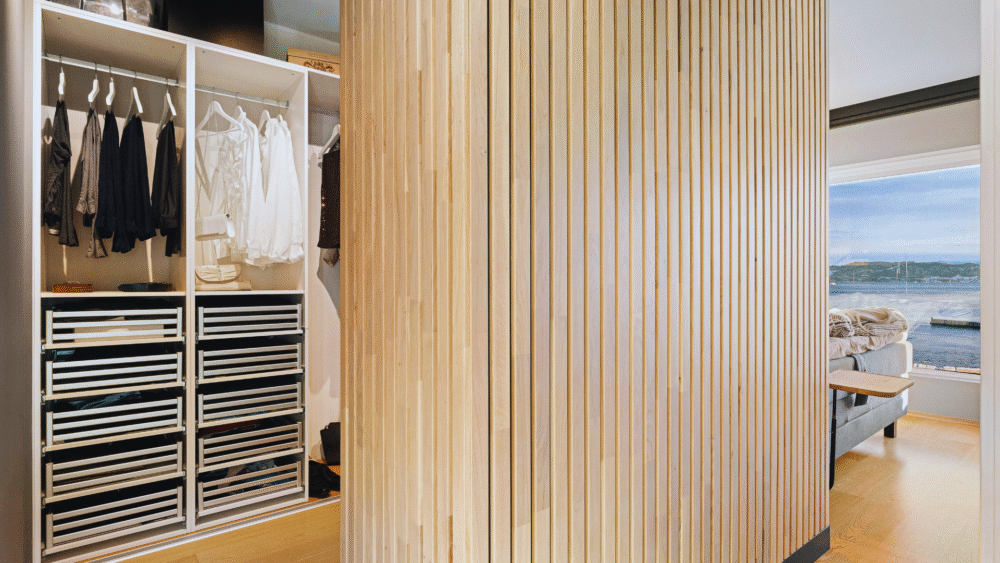
An organized closet simplifies outfit selection during seasonal changes. Using vacuum-sealed bags can save space while protecting off-season clothing from dust. Consider implementing the following storage strategies:
- Categorize items by type (e.g., tops, bottoms, outerwear).
- Use clear bins for easy visibility of accessories.
- Rotate seasonal pieces to the front for easier access.
Regularly decluttering ensures that only essentials remain in the closet. By fostering an organized space, one can enjoy a more efficient approach to dressing throughout the year.
Mastering Layering and Fabric Choices
Effective layering and thoughtful fabric selections are essential for adapting a wardrobe to changing seasons. By understanding techniques for smart layering and choosing the right materials, anyone can enhance their style while staying comfortable.
Smart Layering Techniques
Layering allows for versatility and adaptability in an outfit. A fundamental technique is to start with a breathable base layer, such as a cotton or merino wool top, which manages moisture and provides comfort.
Next, add a mid-layer like a flannel or cashmere sweater to retain warmth without bulk.
Outer layers should include functional options like denim jackets or lightweight coats that protect against wind and rain. Adopting the principle of three layers typically works best: a base, a warm mid-layer, and a protective outer layer.
Accessories such as scarves or vests can also be incorporated for added warmth and style.
Choosing Season-Appropriate Fabrics
The choice of fabric is critical in achieving comfort and style during seasonal transitions. Linen and chiffon are excellent for warmer months, offering breathability and lightness. In contrast, as temperatures drop, wool, fleece, and thicker corduroy fabrics provide warmth and insulation.
For transitional weather, cashmere blends can be valuable due to their softness and warmth without significant weight.
In cooler climates, combining materials, such as a layer of flannel under an outerwear piece, ensures adequate warmth. Consider organic cotton for environmentally friendly options, which are also soft against the skin.
Mixing Textures for Transitional Weather
Combining different textures adds visual interest to an outfit. Pairing a silk blouse with a leather jacket creates a striking contrast while ensuring comfort. Mixing heavier and lighter materials helps adapt to fluctuating temperatures.
For example, a denim bottom can work well with various tops, from lightweight button-down shirts to thick knitwear.
Utilizing a variety of textures not only enhances the outfit’s aesthetic but also accommodates changing weather effectively. Balancing these elements allows for a stylish yet functional approach to seasonal transitions.
Adapting Style with Colors, Accessories, and Footwear
Color palettes, accessories, and footwear play crucial roles in transitioning a wardrobe from one season to another. By understanding how to effectively combine these elements, individuals can enhance their style and stay on-trend throughout the year.
Seasonal Color Palette Strategies
Choosing a seasonal color palette is essential for refreshing a wardrobe. Pastels work well in spring, while earth tones dominate autumn. Incorporating vibrant seasonal colors can energize an outfit.
To do this effectively, she can select a base color and then pair it with complementary shades. For example, a soft blush skirt can be accentuated with a rich burgundy top. Neutral shades can also be a fantastic choice, as they allow accessories to stand out. Adding a pop of color through accessories can create visual interest without overwhelming any outfit.
Transitioning Shoes and Boots
Footwear is vital for a successful seasonal transition. Sneakers remain versatile for spring and summer outfits. For colder months, ankle boots can become a staple. Ugg boots provide comfort and warmth, making them ideal for winter wear.
In spring, lightweight shoes like loafers or sandals can complement skirts and dresses well. Transitioning to fall, she can swap those for closed-toe shoes or stylish boots.
When shifting from casual to dressy, opting for heeled boots can elevate looks without compromising comfort, allowing for seamless transitions throughout the day.
Seasonal Accessories for Effortless Updates
Accessories make it simple to update a wardrobe between seasons. Silk scarves can add elegance in spring and summer, while cozy knitted wraps are perfect for fall.
Hats are not only functional but also serve as statement pieces. Fedoras or wide-brimmed hats provide shade in warmer months, while beanies or wool hats keep warmth in colder temperatures.
Belts can cinch a dress for a tailored look or add interest to a simple outfit. Additionally, switching out bags for straw bags in summer and transitioning to leather bags in fall can refresh an outfit effortlessly.
Day-to-Night Transformations
Transforming an outfit from day to night is achievable with the right choices. By simply changing footwear, she can shift a look significantly. Pairing sneakers with a blazer works well for a polished day look. Transitioning to ankle boots can elevate the ensemble for evening outings.
Accessories also play a vital role in these transformations. Adding statement jewelry or swapping a casual bag for a more luxurious option can instantly change the vibe.
Silk scarves can be reconfigured for different styles, from casual knotting to sophisticated draping. Focus on these simple adjustments to create new dimensions in a wardrobe, ensuring versatility throughout the day.
Sustainable and Practical Tips for Seamless Seasonal Transitions
Embracing a sustainable approach to seasonal wardrobe transitions not only helps reduce waste but also enhances personal style. By focusing on smart shopping, refreshing existing pieces, and maintaining organization, individuals can ease into each season with confidence.
Shopping Smarter for Longevity
Invest in versatile, high-quality pieces that withstand the test of time. Look for durable fabrics such as organic cotton, linen, and recycled materials.
Consider brands that emphasize ethical production practices and sustainability. Read reviews and check ratings to ensure that the items hold up across seasons.
Creating a capsule wardrobe can streamline choices and encourage the purchase of timeless styles rather than fast fashion trends.
Additionally, opt for neutral colors and classic silhouettes that can blend easily with various outfits.
Refreshing Your Look Without Overhauls
Small updates can breathe new life into existing garments. Accessories play a crucial role—adding scarves, statement jewelry, or a bold belt can transform an outfit.
Layering is another effective technique, allowing a summer dress to work in cooler temperatures with a turtleneck or denim jacket underneath.
Mix and match items to create new combinations. For instance, pairing summer shorts with a long-sleeve top can transition them for fall.
Besides, opting for alterations or tailoring can revamp ill-fitting clothes to provide a more flattering look and extend their lifespan.
Maintaining Seasonal Wardrobe Organization
An organized wardrobe simplifies seasonal transitions. Start by seasonal sorting—grouping clothes by type or occasion.
Use clear bins for off-season items to easily identify and access them when needed. Implement a labeling system for quick retrieval.
Regularly assess items in your wardrobe. Donate or recycle pieces that no longer serve a purpose.
Utilize stylish hangers and designated spaces for shoes and accessories to maximize visibility.
Implementing these strategies can create a more functional and aesthetically pleasing closet, making transitions smoother.