
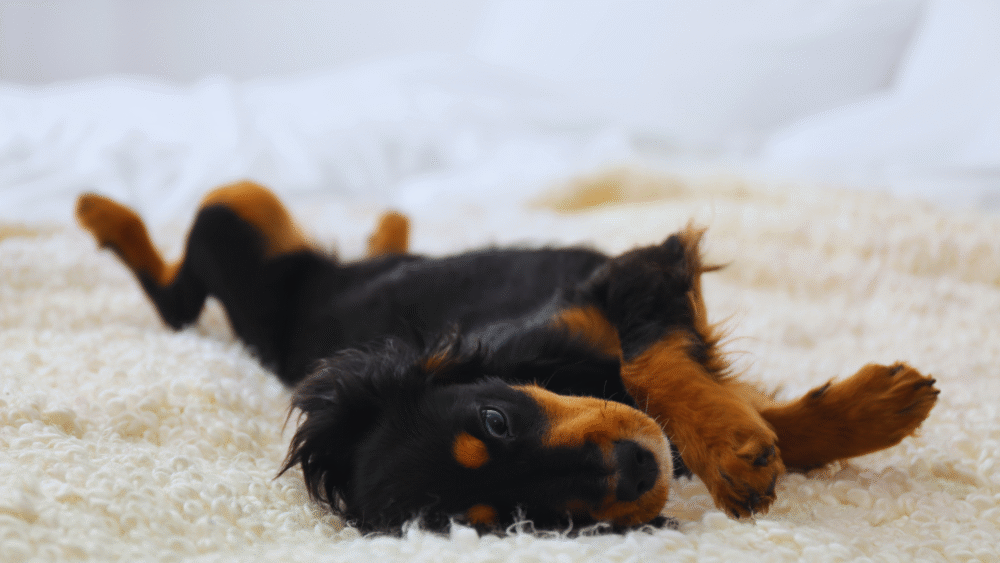
Choosing the right rugs and fabrics for a home with pets can be a challenge. Pet owners need materials that can withstand wear and tear while remaining comfortable and aesthetically pleasing. The key is to look for durable, stain-resistant, and easy-to-clean options that suit a pet-friendly environment.
Natural fibers like wool, while inviting, may not always offer the best resistance to spills and stains. Synthetics like nylon or polypropylene can provide a more practical solution, as they often resist stains and are easy to clean. Additionally, selecting darker colors or patterns can help mask any pet-related mishaps that may occur.
The variety of pet-friendly rugs and fabrics available today means there’s something for every taste. Understanding the characteristics of different materials allows pet owners to make informed choices that align with both their lifestyle and aesthetic preferences.
Key Qualities of Pet-Friendly Rugs
Choosing the right rug for a pet-friendly home involves considering several key qualities. These factors ensure the rug withstands daily wear and tear, stays clean, and blends seamlessly into the home environment.
Durability and Wear Resistance
Pet-friendly rugs should be made from durable materials that can withstand scratching and clawing. Look for options crafted from synthetic fibers, like nylon or polyester, which offer enhanced wear resistance compared to natural fibers.
A low-pile design often better suits homes with active pets, as it reduces the chance of snagging. Some rugs come with thick backings for added stability, which helps maintain their shape even with heavy foot traffic and playful pets.
Stain and Odor Protection
Rugs designed for pet owners should have built-in stain resistance. Fabrics that repel liquids can significantly reduce the risk of stains from accidents or spills.
Additionally, some rugs feature antimicrobial treatments that prevent odors from settling into the fibers, ensuring a fresher environment. Look for products labeled as “pet-proof” or “stain-resistant” for the best results.
Ease of Cleaning and Maintenance
For a practical pet-friendly rug, ease of cleaning is essential. Many washable rugs can be thrown directly into the washing machine, providing a hassle-free cleaning option.
Rugs that can be spot-cleaned using mild detergents also work well; this allows for quick responses to accidents. Frequent vacuuming can help maintain the appearance while ensuring pet hair and dander are removed efficiently.
Color, Pattern, and Blending Pet Hair
Choosing the right color and pattern can help disguise pet hair, making maintenance easier. Darker shades and busy patterns can effectively mask shedding, while lighter colors may require more frequent cleaning.
Consider rugs with a textured surface; they can help conceal hair and dirt. Additionally, patterns can add visual interest while promoting a more relaxed atmosphere in pet-friendly spaces.
Choosing the Best Rug Materials for Pets
Selecting the right materials for pet-friendly rugs is crucial for durability, comfort, and safety. Various options exist, each with distinct attributes. Understanding these materials helps in making informed choices.
Benefits of Synthetic Materials
Synthetic materials like nylon and polyester are ideal for homes with pets. They are highly durable and resistant to stains, making them easy to clean.
Advantages include:
- Stain resistance: Most synthetic fabrics repel spills and dirt.
- Durability: They withstand wear and tear from claws and paws.
- Budget-friendly: Synthetic options typically cost less than many natural fibers.
A common choice among pet owners is nylon due to its strength and resilience. Polyester offers a softer feel and vibrant colors. These materials often involve treatments to enhance their resistance to pet accidents.
Pros and Cons of Natural Fibers
Natural fibers such as wool and cotton provide unique benefits and challenges. Wool rugs are warm, soft, and naturally hypoallergenic. They can be a great choice for comfort and aesthetic appeal.
Benefits of wool:
- Natural stain resistance: Wool contains lanolin, which helps resist soiling.
- Durability: When properly cared for, wool can last for years.
Drawbacks:
- Higher maintenance: Wool requires more care, particularly in cleaning.
- Cost: Generally, natural fibers are more expensive than synthetics.
Cotton rugs can be washable and lightweight, but they are less durable. Ultimately, choosing natural fibers depends on balancing aesthetics and practicality.
Selecting Indoor-Outdoor Rugs
Indoor-outdoor rugs present excellent alternatives for pet owners. Made from durable materials like polypropylene, they are designed to withstand stains and moisture. These rugs are often UV-resistant, making them suitable for sunny areas without fading.
Key features include:
- Easy cleaning: Many are washable or can be cleaned with a hose.
- Resistant to mold and mildew: This quality is vital for damp conditions.
Their versatility allows them to be used in various rooms as well as on patios. With a wide array of designs, they can complement any interior while providing functionality.
Non-Toxic and Safe Options
When selecting pet-friendly rugs, ensuring safety is paramount. Non-toxic materials are critical, especially if pets frequently spend time on the rugs. Look for labels that indicate the absence of harmful chemicals.
Safe materials include:
- Natural cotton: Free from synthetic dyes and chemicals.
- Bamboo: A sustainable material that’s less prone to toxins.
Choosing products with certifications such as GOTS (Global Organic Textile Standard) can provide peace of mind. Researching the manufacturing process also helps ensure that rugs are safe for pets and the home environment.
Selecting the Right Rug Features and Construction
Choosing rugs that work well for pet owners involves understanding various features and construction methods. Important factors include pile height, material durability, and safety.
Understanding Pile Height for Pet Owners
Pile height refers to the length of the rug fibers from the backing to the top surface. For pet owners, this factor is vital in determining how easy it is to clean and maintain the rug.
- Short Pile: Rugs with short piles, typically less than half an inch, are easier to vacuum and less likely to trap pet hair and dander. They are often more resistant to wear and are comfortable for pets.
- High Pile: Rugs with a high pile, over half an inch, may look plush but can attract hair and dirt. These rugs require more frequent cleaning, which can be a challenge for pet owners.
Low-Pile Rugs Versus High-Pile Rugs
When selecting between low-pile and high-pile rugs, pet owners should weigh the pros and cons of each type.
- Low-Pile Rugs:
- Easier to clean.
- Less likely to snag pet claws.
- Does not trap allergens as easily.
- High-Pile Rugs:
- Provide more comfort and warmth.
- May require specialized cleaning for deep stains.
- It can be more susceptible to wear from heavy pet traffic.
Choosing the right pile height is essential for balancing aesthetics and functionality.
Reinforced Edges and Backing
The construction quality of a rug plays a crucial role in its longevity under pet use. Reinforced edges help prevent fraying, while suitable backing materials can enhance stability.
- Edges: Look for rugs with sewn or serged edges. These designs are less likely to unravel when pets run over them.
- Backing Materials: A sturdy backing, like latex or polypropylene, adds weight and helps keep the rug in place. This stability is especially important when pets frequently jump on and off.
Selecting rugs with reinforcement can significantly prolong their life in a pet-friendly home.
Slip Resistance and Stability
Safety is a critical consideration for pet owners when choosing rugs. Slip resistance can prevent accidents, particularly in high-traffic areas.
- Non-Slip Backings: Rugs with non-slip backings help keep them anchored to the floor. This feature minimizes the risk of slipping when pets play or run.
- Rug Pads: Adding a rug pad can enhance stability. Look for pads made from natural rubber or felt, as these materials provide both traction and cushioning.
Investing in slip-resistant rugs contributes to a safer environment for pets and owners alike.
Tips for Maintaining Rugs and Fabrics in Pet-Friendly Homes
Maintaining rugs and fabrics in homes with pets requires consistent care. This section offers practical methods for cleaning, managing pet hair, treating accidents, and extending the lifespan of rugs.
Routine Cleaning and Washing Methods
Regular cleaning is essential for keeping pet-friendly rugs fresh. For various materials, washable rugs are a practical choice as they can be easily tossed into the washing machine.
Most rugs should be vacuumed weekly to remove dirt and hair. For deeper cleaning, follow the manufacturer’s instructions. Use mild detergents and cold water for machine-washable options.
Those with heavier stains might benefit from steam cleaning. This method helps remove embedded dirt and allergens without harsh chemicals.
Handling Pet Hair and Allergens
Pet hair can accumulate quickly on rugs and fabrics. Shedding breeds may require more frequent cleaning. A vacuum with a pet hair attachment or a lint roller can efficiently remove hair.
Consider using protective covers or throws that can be removed and washed regularly. Fabrics like microfiber resist hair cling, making them easier to maintain.
To reduce allergens, keep a consistent cleaning schedule. Washing pet bedding alongside rugs can also help maintain a cleaner environment.
Spot Treatment for Accidents
Accidents are inevitable in pet-friendly homes. Quick action is necessary to prevent lasting damage. Blot any liquid with a clean cloth immediately; avoid rubbing, as this can worsen the stain.
For solid messes, carefully scrape off the excess before cleaning. Use an enzymatic cleaner, which breaks down organic material, rendering it less odoriferous. Always test the cleaner on a hidden area first to avoid discoloration.
Make sure to thoroughly rinse the area after cleaning to remove any residue, which could attract more dirt.
Extending Rug Lifespan
To prolong the life of rugs, consider placement and protection. Use area rugs in high-traffic zones, minimizing direct wear.
Adding a non-slip pad can help prevent movement, which may lead to fraying. Rotate rugs periodically to ensure even wear and fading.
For added safeguard, encourage pets to use designated areas for rest and play. Regular grooming can also minimize shedding and allergens, prolonging the appeal and durability of rugs and fabrics.