
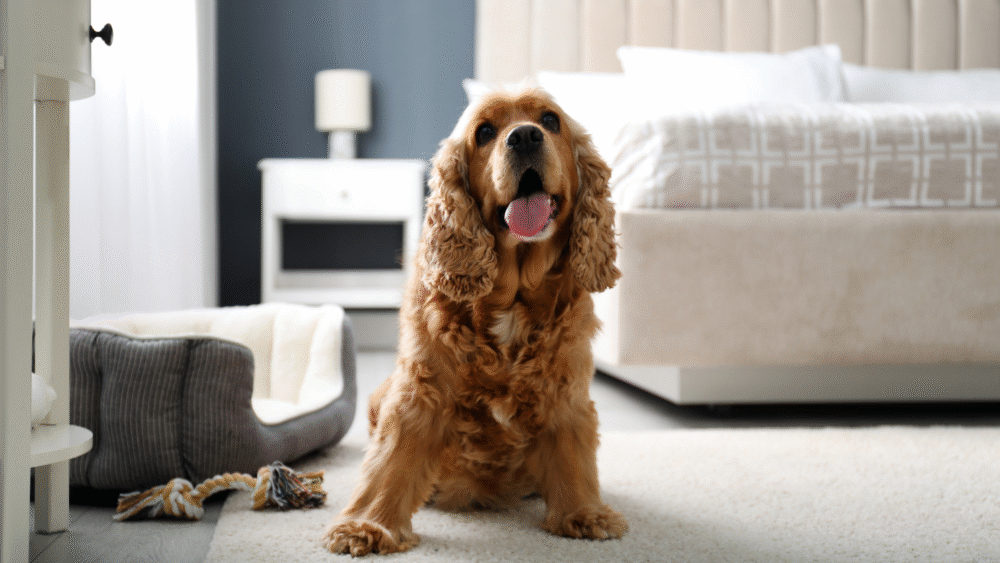
Creating a pet-friendly home environment is essential for both the comfort of pets and the well-being of their owners. To achieve this, one must focus on safe spaces, appropriate materials, and pet-proofing strategies. Understanding the specific needs of different pets helps in tailoring the home to be both functional and enjoyable for all inhabitants.
Incorporating pet-friendly furniture and materials can significantly reduce wear and tear caused by furry companions. Opting for washable fabrics and durable surfaces can enhance convenience without sacrificing style. It’s important to consider zoning different areas for pets, allowing them spaces to relax and play while keeping personal areas free from pet mess.
Safety is another critical aspect of creating a welcoming environment. Removing toxic plants, securing cords, and storing harmful substances out of reach protects pets from potential hazards. This proactive approach ensures that pets can explore their surroundings safely, contributing to a harmonious home life.
Core Elements of a Pet-Friendly Home
Creating a safe and comfortable environment for pets requires careful consideration of materials, furniture, and surfaces. Focusing on durability and ease of maintenance is essential to accommodate the needs of pets while maintaining a stylish and functional home.
Choosing Durable Flooring Materials
Selecting the right flooring materials is crucial for creating a pet-friendly home. Options like tile, laminate, and hardwood are popular choices due to their durability and resistance to everyday wear.
- Tile: Highly resistant to scratches and stains, making it ideal for active pets. It’s also easy to mop and maintain.
- Laminate: Offers a wide range of styles and is resistant to scratches and moisture. It’s also budget-friendly.
- Hardwood: Choose high-quality hardwood treated with finishes that offer resistance against scratches and pet accidents.
When selecting flooring, it is also important to consider surfaces that are easy to clean and resistant to stains, as this can simplify maintenance and help keep the home looking well-maintained despite daily pet activity.
And in situations where the most suitable option is unclear, consulting an expert from reputable firms like Erskine Interiors can often be highly beneficial. They can assess the space, recommend appropriate materials, and guide the selection toward a flooring solution that balances durability and comfort.
Selecting Pet-Friendly Furniture
Furniture selection plays a vital role in creating a pet-friendly space. Choosing sturdy and durable pieces will help ensure they withstand the wear of pets.
- Materials: Look for leather, microfiber, or denim, which are less likely to trap hair and are easier to clean.
- Design: Furniture with shorter legs allows easy access for pets. Avoid items with sharp edges to minimize injuries.
- Covers: Using removable and washable covers can protect the furniture from accidents and dirt.
Choosing pet-friendly designs can enhance both comfort for the pet and style for the home.
Opting for Easy-to-Clean Surfaces
Maintaining cleanliness is critical in a pet-friendly home. Selecting surfaces that are easy to clean will save time and stress.
- Flooring: Choose flooring that can handle spills and accidents without permanent staining. Vinyl and sealed wood are good options.
- Countertops: Consider quartz or granite for kitchen surfaces. They resist scratching and are non-porous, making cleanup straightforward.
- Wall Paint: Use washable paint for walls, which can easily be wiped down if necessary.
Easy-to-clean surfaces contribute significantly to a harmonious living environment for both pets and their owners.
However, even with easy-to-clean surfaces, hidden pests can still threaten a pet-friendly home—cockroaches in particular are drawn to food residue and moist hiding places and can carry bacteria that affect both pets and people.
Routine cleaning and sealed food storage reduce risk, but when signs of infestation appear (droppings, musty odors, or nocturnal activity), a professional cockroach inspection can pinpoint entry points, nesting sites, and moisture sources.
Certified inspectors can also recommend pet-safe, targeted treatments and simple structural fixes like sealing gaps and improving ventilation. Combining cleanliness with expert assessment helps protect pets and preserve a healthy home environment.
Safety and Pet-Proofing Strategies
Creating a safe home for pets requires careful attention to various hazards. Effective pet-proofing ensures that pets can explore their surroundings without encountering harmful objects or substances.
Managing Electrical Cords
Electrical cords can pose serious risks to pets, who may chew on or tangle with them. To minimize these hazards:
- Use cord protectors: These covers can shield cords from teeth and paws, making them less accessible.
- Secure cords: Fasten cords to walls or furniture using adhesive clips to prevent them from hanging low.
- Organize cables: Keep cords bundled and out of reach, using zip ties or cable organizers.
By implementing these strategies, pet owners can significantly reduce the risk of electrical accidents in their homes.
Identifying Sharp Objects
Sharp objects, such as kitchen knives or broken glass, can lead to serious injuries for pets. To enhance safety, consider these measures:
- Store knives securely: Utilize drawer locks or magnetic strips to keep knives out of reach.
- Check for hazards: Regularly inspect areas where pets roam for any sharp objects that could be hazardous.
- Dispose of broken items immediately: Ensure glass or ceramic shards are swept up promptly to prevent cuts.
Adopting these practices will help to maintain a safer environment for pets.
Safe Houseplants and Pet-Safe Zones
Certain houseplants can be toxic to pets, so selecting non-toxic varieties is essential. Here are a few steps to create a pet-friendly plant environment:
- Choose safe options: Consider plants like spider plants, bamboo palms, or Boston ferns, which are non-toxic to pets.
- Limit access: Place plants on high shelves or in hanging planters to restrict pets’ reach.
- Designate pet-safe zones: Create areas within the home where pets can roam freely without encountering plants or other hazards.
By being mindful of plant selection and placement, pet owners can enhance safety and minimize risks.
Comfort, Enrichment, and Meeting Pet Needs
Creating a pet-friendly environment requires thoughtful design that addresses comfort and enrichment. This section details how built-in nooks, washable rugs, and interactive toys can meet various pet needs.
Designing Built-In Nooks and Hideaways
Built-in nooks provide pets with safe, cozy spaces. By integrating these hideaways into furniture or wall units, pet owners can offer their pets a sense of security.
Key considerations include:
- Location: Place nooks in quiet areas away from foot traffic.
- Size: Ensure the space comfortably fits the pet’s size.
- Materials: Use pet-safe materials that are easy to clean.
These spaces can also be personalized with blankets or toys to enhance comfort and encourage rest.
Utilizing Washable Rugs
Choosing washable rugs can significantly simplify pet ownership. Accidents and shedding are inevitable, so selecting rugs that are easy to clean helps maintain a tidy home.
Recommendations include:
- Material: Opt for synthetic fibers that resist stains and can withstand frequent washing.
- Size: Choose larger rugs to cover more area, providing a comfortable play surface for pets.
- Design: Select patterns that can camouflage pet hair and dirt.
This approach balances aesthetics with practicality, catering to both pets and their owners.
Incorporating Interactive Toys and Puzzle Feeders
Interactive toys and puzzle feeders are essential for keeping pets mentally stimulated. Engaging these toys can alleviate boredom and reduce destructive behaviors.
Characteristics to consider:
- Variety: Provide toys that target different senses—from sound to movement.
- Difficulty Levels: Select puzzle feeders with adjustable difficulty to challenge pets as they learn.
- Safety: Ensure toys are free from small parts that could pose choking hazards.
Integrating these toys into daily routines fulfills pets’ instincts to explore and problem-solve, promoting a healthy and active lifestyle.